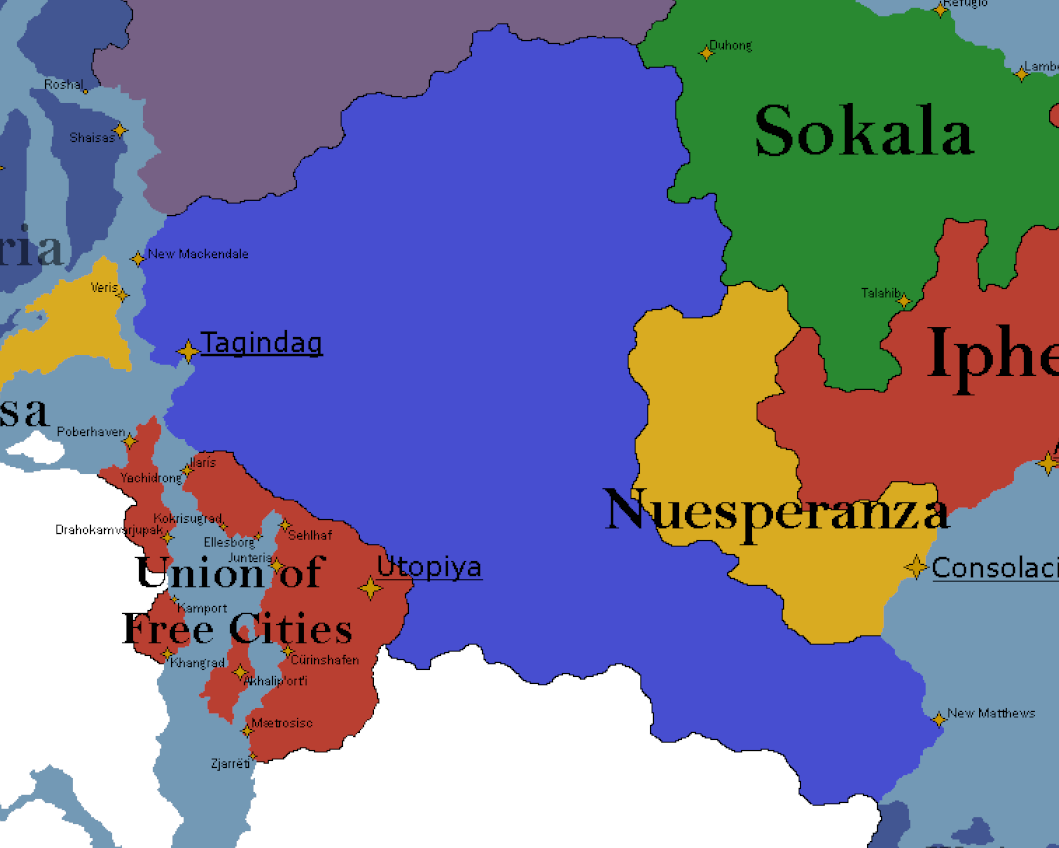
Flag:
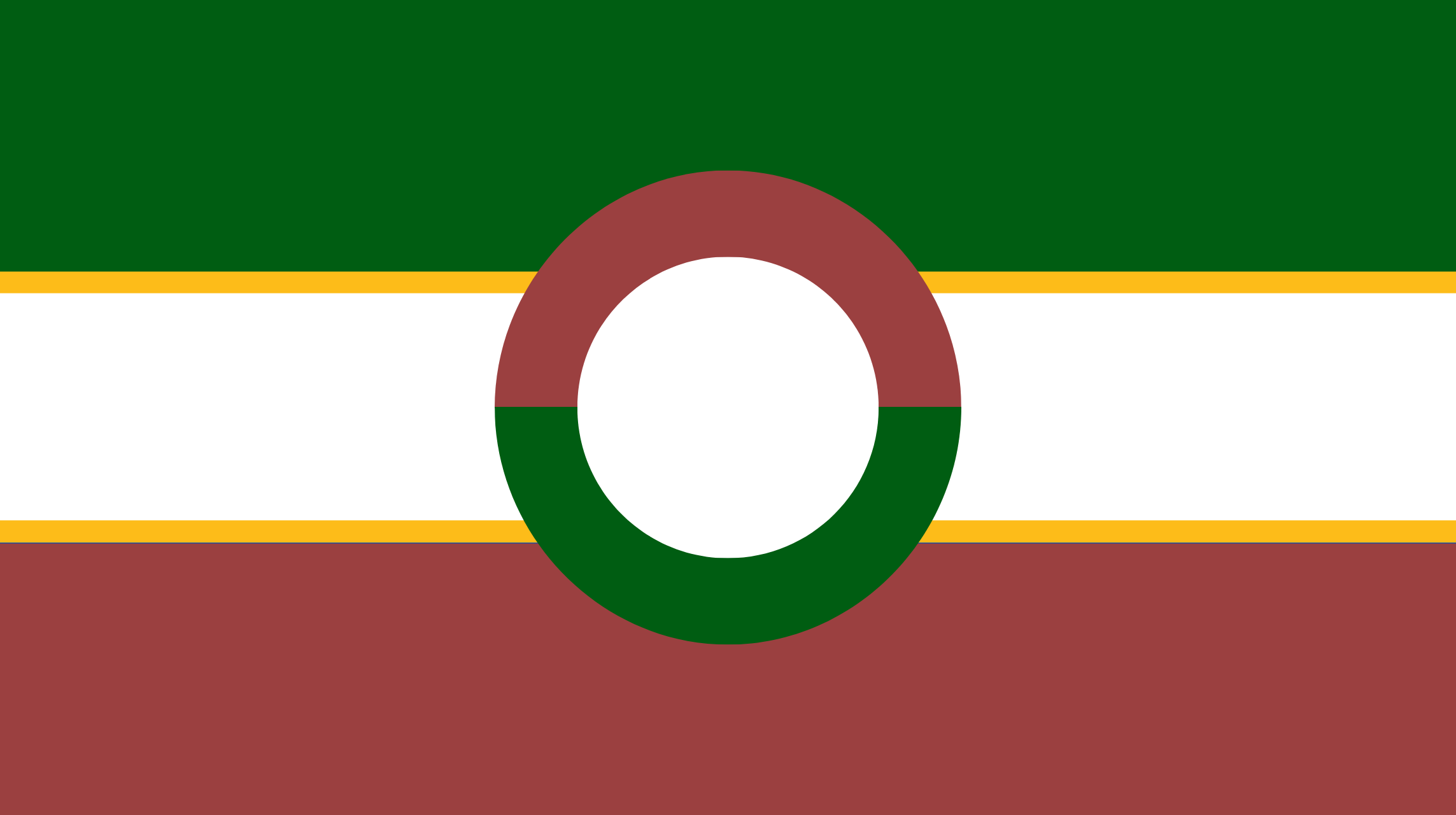
Nation Name (long): The Karishian Federal Union
Nation Name (short): Karishkanov
Population: 106,742,856
Total GDP: $3,287,146,250,520
GDP per Capita: $30,795
Currency: Standard Hawking Dollar (SHD $)
Demonym: Karishian
Language: Codexian, Karishian, Tagisla, Vistari, Impelanzan
Species: Human, Elves, Tiefling, Kelf, Kemonomimi
Religion: Artinikism, Thaerism, Ademarism
Capital: Tabindag
Largest City: Tabindag
Government Type: Federal constitutional assembly-independent directorial republic
Leader(s): Hendrik Adlawan, Jon Ivanov, Perpetua Hermosa, Dakila Bakker, Aleksandr Batungbakal
Legislature: The Union Congress
Upper House: Federal Council
Lower House: Konmiting
Two-Letter Code: KV
Three-Letter Code: KKV
Motto: United as One
National Anthem: Ang Bayan Ko
National Animal(s): Karishian great ox
National Plant: Narra
Historical Summary:
In the city of Matthews, Kers Isles, South Hills, the West Arcturia Company was founded in 1702. Determined to establish a port colony to provide a respite for Concordian ships sailing to Tawuse and Great Morstaybishlia, the company first established the first settlement in 1704 after entering into a deal with the natives. The initial seaside settlements grew in size as the company secured lucrative trade deals with the natives who were more than willing to part with exotic Arcturian spices and crops for Concordian linen. By 1710, the company’s influence have grew far more inland and was able to reach the outskirts of the Staynnish colonies in the east. The company had established several mining outposts with the assistance of the local tribes. Despite having initial tensions with the natives, the company had made great efforts to have peaceful and cordial relations with the natives to a point where one third of the company’s personnel and families had marriages with the natives.
After the Staynnish takeovers of the Implenanzan and Ademarist colonies in the 1530s, the natives were unsure if the company would do the same to them, sparking several conflicts within the company’s periphery. To add fuel to the fire, swaths of Implenanzan, Ademarists and other native tribes have arrived to the company’s territory as they escape the Staynnish colonies. The company reached out to the South Hills government for assistance and it was decided that the colony would incorporated by the South Hills government as an official Concordian colony as to help direct its governance.
The first step by the Concordian government was to negotiate an equitable treaty with all native leaders. After tense negotiations that lasted a full year, the Treaty of Tabindag was signed. Twelve tribes signed the treaty which ensured that these tribes and the colony would be protected by South Hills. The colony, initially named the Concordian Maghari by the natives, established institutions with the first Governor’s mansion finishing construction by 1713.
The colony gradually integrated the native tribes and the refugees within the government. As the colony industrialized and more immigrants arrived from the mainland, the wealth of the colony grew and with that also was the calls for more representation. By 1823, calls for better representation was rising in the populace though the colonial government had initially denied these calls until an uprising by several tribes and workers took control of the capital and demanded the government give them better representation, working conditions and higher pay. A three-week long battle occured which would be come to be known as the “Nights of Tears”. By the end of the conflict, over 4000 people have died.
The South Hills government, even though resistant, feared that further repeats of this event could happen if changes didn’t occur. They sacked the current governor and appointed Governor David Visser to formally reform the colony. Visser ruled for 30 years, gradually reforming the colony to a nation as he introduced the founding document of the Union: The Union Papers. The Union Papers divided the nation into five distinct federal districts with each representing the tribes, ethnic groups and religions which occupy them and gave them the representation they asked for via the Union Congress.
From 1853 to 1902, succeeding governors increased the autonomy and local power of the Union until the referndum of 1903 wherein the colony officially struck down its colonial status and established itself as a dominion of South Hills. Although independence movements came, majority saw the benevolent rule of South Hills in the past few years as something worth keeping in comparison to the colonial neighbors. The name Karishkanov was adopted by parliament which was an ammalgamation of several words from all of the languages which aimed to mean “Our People”.
While still under South Hills protection, Karishkanov began a foreign policy of a neutral peace maker as its overlord did. When the Great War broke out, Karishkanov took in over 150,000 refugees from across the world and integrated almost 50,000 of them by the end of the war. During the 1927 Sokalan war of independence as well as the succeeding wars of the cross, Karishian humanitarians were deployed to the border and took care of the refugees escaping the violence.
Despite immense pressure from Iphelklori, Sokala and Nuesperanza to get involved, Karishkanov remained neutral though that did not mean that it did not get involved in other ways. Karishian diplomats pressured both sides to sue for peace for all of the Wars of the Cross, levying strategic trade and arms embargos to reduce the fighting.
When South Hills officially intervened in the Auroran Imperial War, Karishian forces were the first to deploy to the frontlines with Noroist Axdel forces. Over 200,000 Karishians participated with 17,000 casualties and fatalities.
Map Claim: